


Your browser is out-of-date!
Update your browser to view this website correctly. Update my browser now
Experimental Materials: A Technical Study of Two Hedda Sterne Paintings
by Lucia Elledge, 2025-2026 Dedalus Foundation Fellow in Conservation
In 1951, a group of important mid-century artists dubbed “the Irascibles” were photographed by Nina Leen for Life magazine (fig. 1). Standing tall above the group of men, there is one woman—Hedda Sterne. Although Sterne is well known for her appearance in this photograph, her life and work have been understudied, especially when compared with the careers of some of the other artists in this image. So when two of Sterne’s paintings on paper board came to New York University’s Conservation Center for treatment, I was excited to have the opportunity to perform a technical analysis of Sterne’s materials and techniques and to treat one of her works.
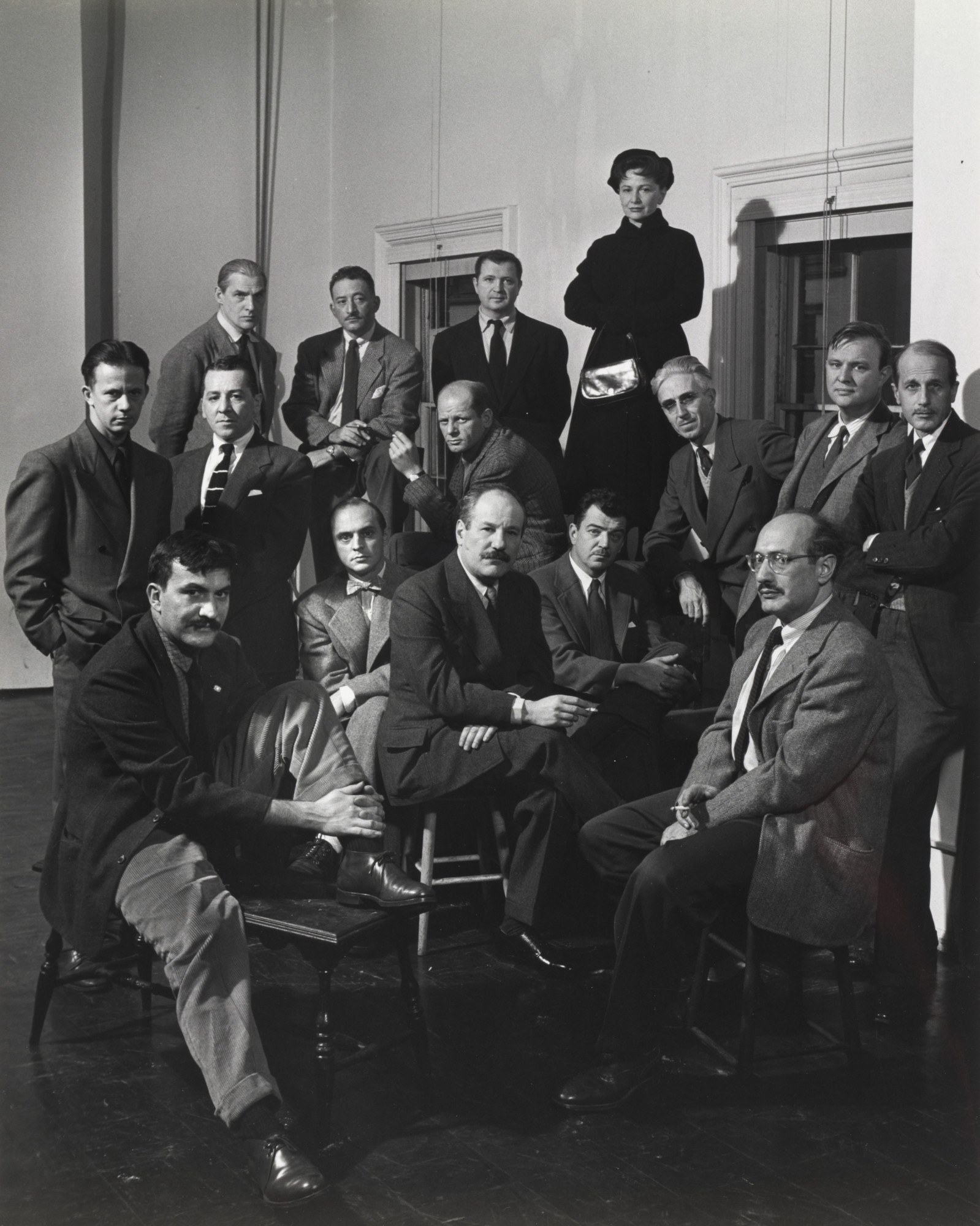
Figure 1. Nina Leen, The Irascibles, 1950, 13 15/16 x 11 1/8 in. Museum of Modern Art, New York.
Born in Bucharest, Romania in 1910, Hedda Sterne was a prolific artist. She studied philosophy and art history at the University of Bucharest, and went on to study painting in various schools, academies, and ateliers in Romania, Vienna, and Paris. Sterne immigrated to New York in 1941, fleeing World War II and the newly Axis-aligned Romania, and she lived and worked in New York for much of the rest of her life. Sterne’s early work is often associated with the Surrealists and her later work is often connected with the Abstract Expressionists, but the broad range of her artistic practice defies easy classification.
The two works that came to the Conservation Center, Untitled (fig. 2, hereafter called Untitled 1) and Untitled (fig. 3, hereafter called Untitled 2) were painted around 1941, during a critical moment of migration and transition in Sterne’s life.
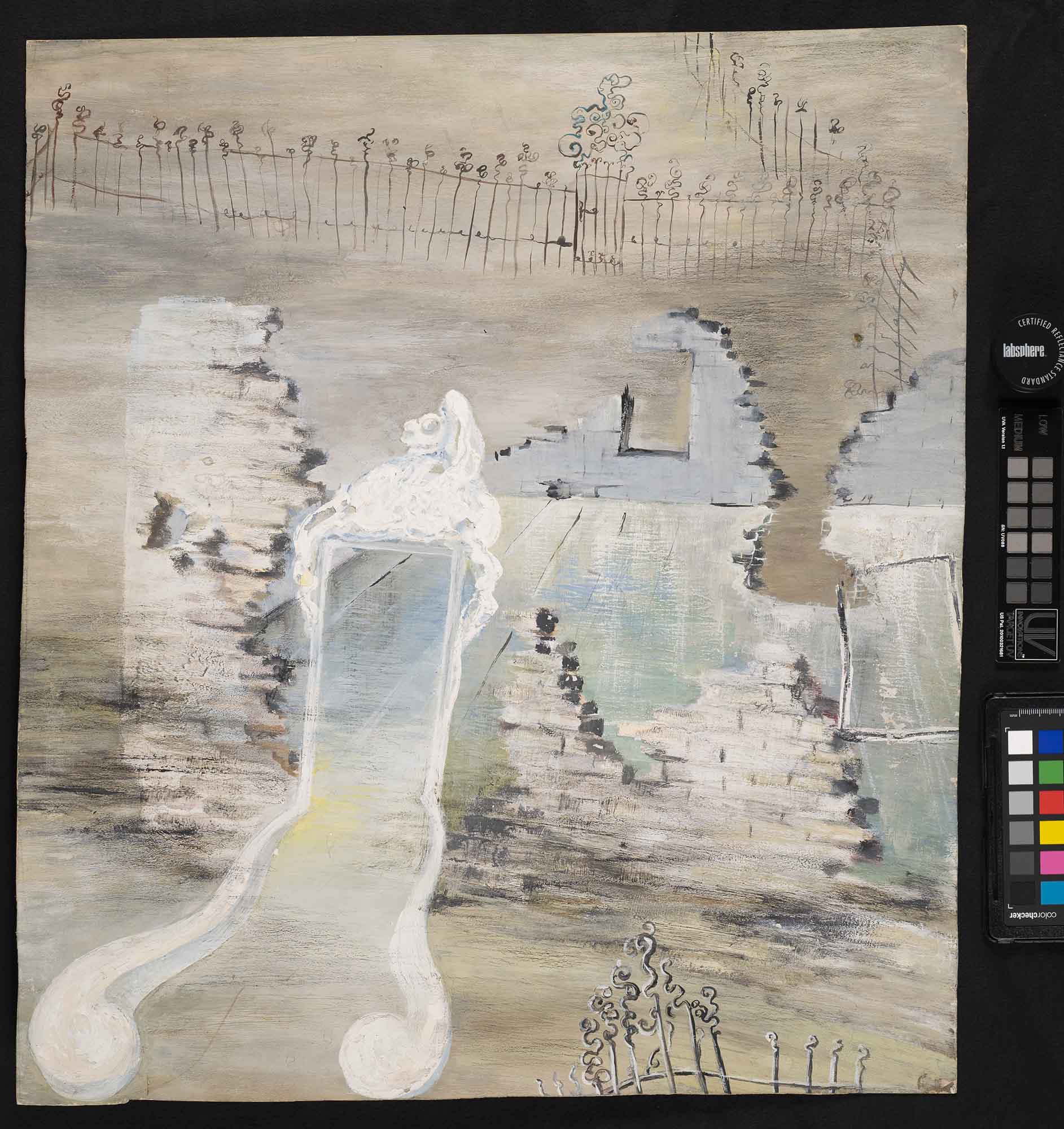
Figure 2. Hedda Sterne, Untitled, c. 1941, opaque watercolor on paper board, 21 ¼ x 19 ½ in. Hedda Sterne Foundation, New York.
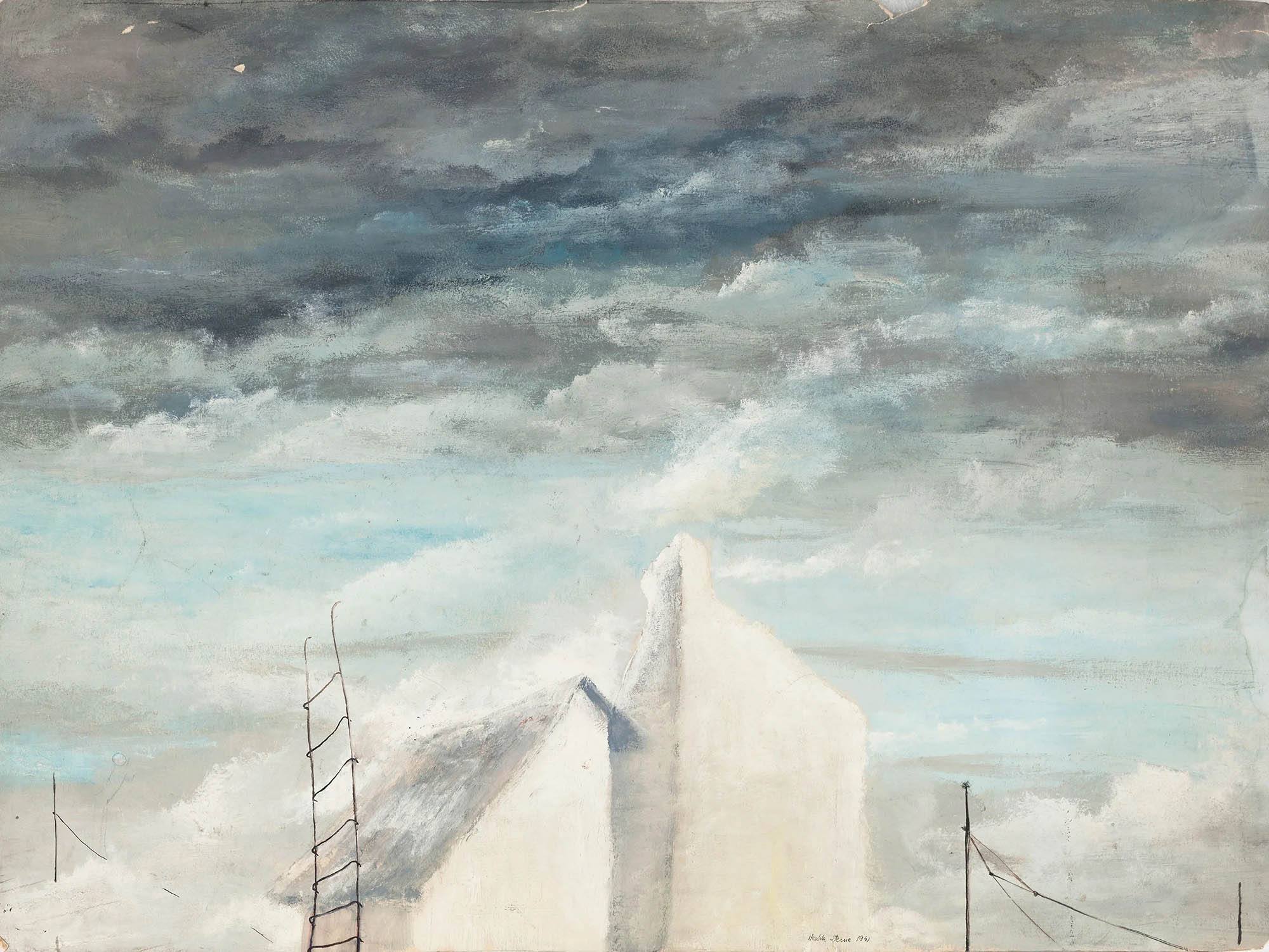
Figure 3. Hedda Sterne, Untitled, 1941, opaque watercolor on paper board, 18 ¾ x 25 ¼ in. Hedda Sterne Foundation, New York.
These two works appear to have fairly similar color palettes and also share a dreamlike quality. My first step towards analyzing these paintings involved looking at them closely under different viewing conditions, including raking light and magnification, to learn more about Sterne’s process. For example, when examining Untitled 2 under magnification, traces of graphite were visible under the paint layer (fig. 4), suggesting that Sterne sketched an underdrawing prior to painting this work.
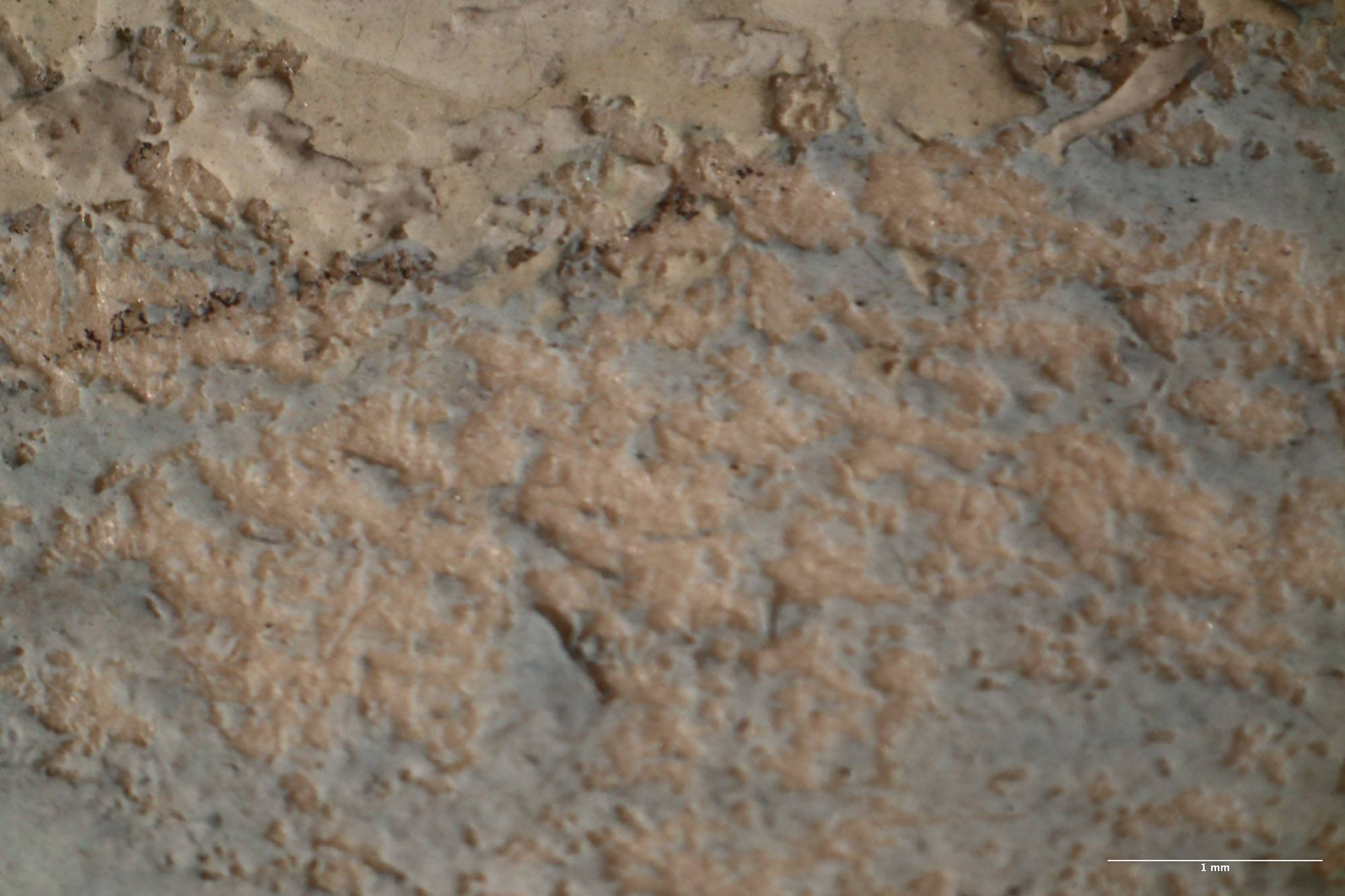
Figure 4. Detail showing graphite underdrawing on Untitled, 1941, 18 ¾ x 25 ¼ in. Hedda Sterne Foundation, New York.
Magnification also revealed that after applying paint to Untitled 2—sometimes in multi-colored layers—Sterne pressed a rigid implement into specific areas of the composition, inscribing lines into the paint. These impressions sometimes reveal colors in the paint layers below the surface, as can be seen in Figure 5. Sterne continued to employ this technique in her later works in oil, using the extended drying time of the oil medium to push this technique of post-painting incision even further, and sometimes tearing and cutting the oil paint film in addition to incising it.
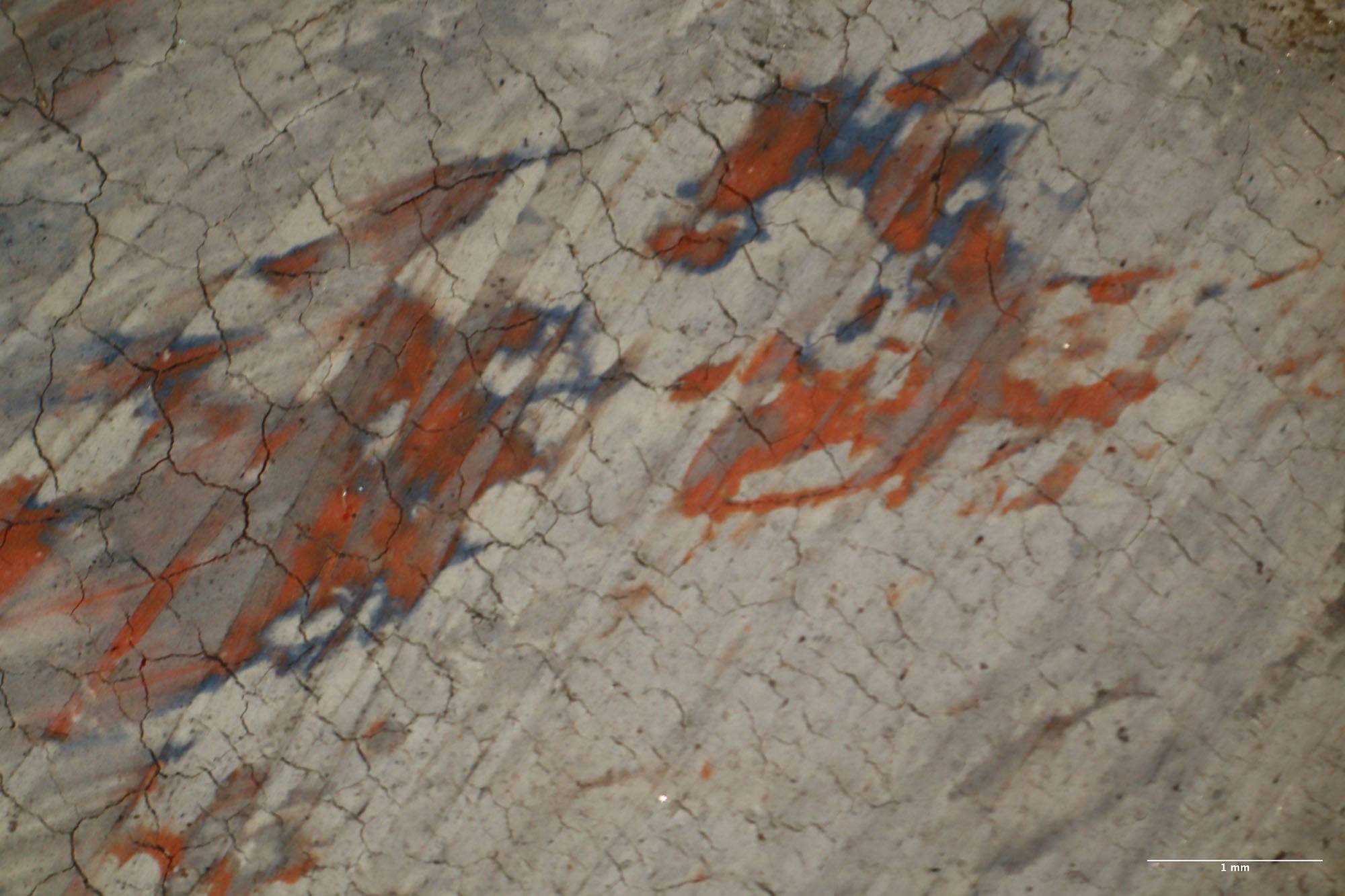
Figure 5. Detail showing reworked paint layers from Untitled, 1941, 18 ¾ x 25 ¼ in. Hedda Sterne Foundation, New York.
The technical aspects of Sterne’s work were an important part of her practice. On a 1943 announcement for an exhibition of her egg tempera drawings (fig. 6), Sterne wrote that Nivola, her friend and fellow artist, gave her the egg tempera recipe and that she bought Cennino Cennini’s book to learn the technique better. These annotations show that Sterne had a strong interest in the materials and techniques she used to create her artworks.
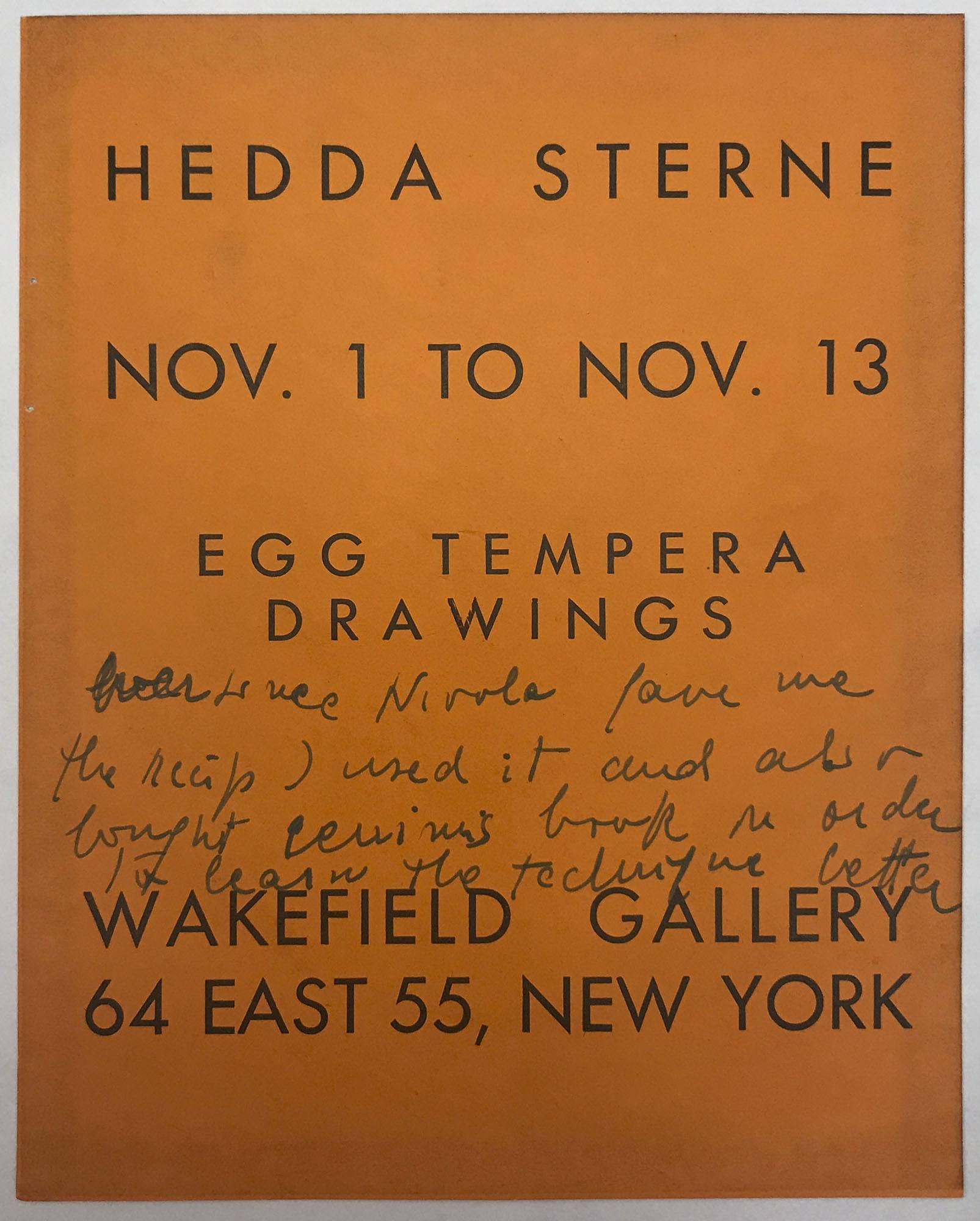
Figure 6. Announcement for 1943 solo exhibition of Hedda Sterne’s work, with a handwritten note by Sterne. Hedda Sterne Foundation, New York.
Furthermore, in a book from her personal library—which is now housed at the Hedda Sterne Foundation—Sterne underlined a passage pertaining to material concerns (fig. 7), describing how lead white can darken with exposure to sulphurated hydrogen in the air. These archival documents highlight the degree to which Sterne was seriously considering her material choices, underscoring the value of investigating these materials using instrumental analysis.
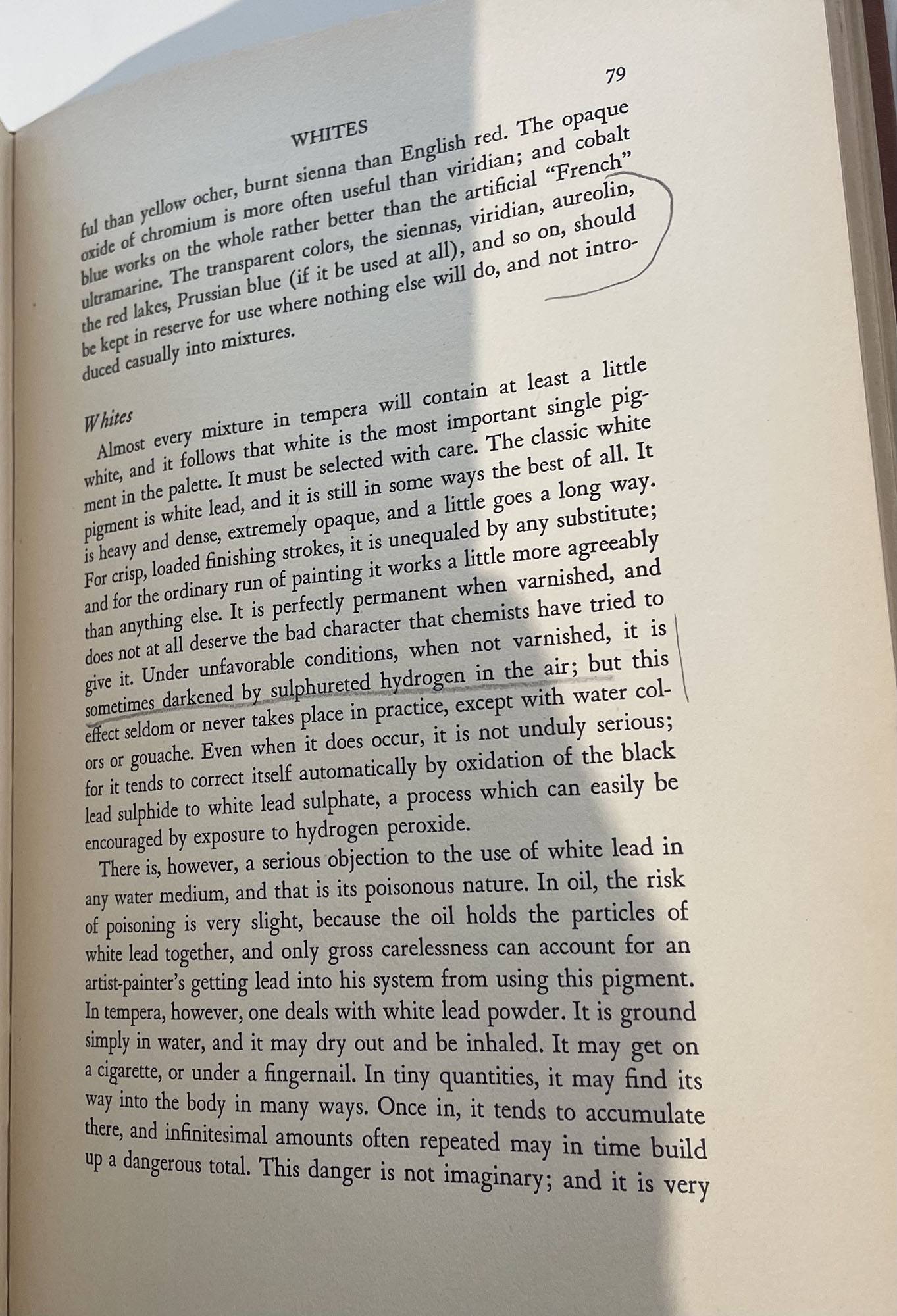
Figure 7. Annotations by Sterne in Daniel Thompson’s The Practice of Tempera Painting. Hedda Sterne Foundation, New York.
There has been a renewed interest in Sterne’s oeuvre in recent years. Sarah Louise Eckhardt wrote her doctoral dissertation on Sterne’s work in 2012, and Frauke Josenhans and Cynthia Schwarz published a study on Sterne’s artistic process in 2019. However, despite this burgeoning interest in Sterne, no instrumental analyses have been published about her work.[1] As such, I decided to perform my own, with the goal of contributing information about Sterne’s materials and techniques to the existing literature on the artist—refocusing attention towards Sterne’s artistic output rather than her Life magazine image.
The goal of my technical analysis was to characterize the colorant and binder compositions of the paints used in Untitled 1 and Untitled 2 using multiband imaging and a suite of instrumental analysis tools, including X-ray fluorescence (XRF), Raman spectroscopy (Raman), Fourier transform infrared spectroscopy (FTIR), and micro-Fourier transform infrared spectroscopy (μ-FTIR).[2] These techniques were used in the order of least invasive to most invasive, with the goal of first obtaining a broad understanding of the works using non-invasive techniques before taking further microsamples for analysis. XRF, which is a non-invasive technique used to obtain elemental information about materials, was used first because it does not require sampling. As such, it can be performed across many locations of the painting to help inform an overall understanding of the work’s inorganic material makeup, while also helping to indicate fruitful areas for sampling. XRF is not an effective tool for determining organic components of artists’ materials, such as organic colorants and binders. Because of this, I extracted microsamples from selected areas of the painting for Raman analysis, in order to identify organic colorants and to clarify XRF results, and for FTIR and μ-FTIR to identify the binders.
In the interest of brevity, I will summarize my findings without describing the technical details of my analysis. The binder in both paintings was a gum, suggesting that Sterne painted the works using opaque watercolor. I also identified the following colorants in Hedda Sterne’s Untitled 1: titanium dioxide white (anatase), barium sulfate, cadmium yellow, indanthrone blue, and an iron-containing brown colorant—perhaps an iron oxide such as burnt sienna. I found titanium dioxide white (anatase) and barium sulfate in the whites of Untitled 2 as well, and also identified calcium carbonate, zinc chromate, PY3, and magnetite (likely Mars Black) in this work, along with the tentative identification of PB24. Not all of the colorants in these works were identified, including the pink colorants in both works, which appear to be organic but could not be further characterized using the techniques employed in this study. Future work is needed to clarify these remaining unidentified colorants, and hopefully future analyses will also be performed on other Sterne paintings to help broaden our understanding of her palette.
Sterne worked as part of the artistic avant-garde in the late 1930’s and early 1940’s, and this study shows that she was not only experimental in terms of her artistic practice but also in terms of her material choices. She used modern, and sometimes controversial, new colorants such as titanium white and synthetic organics, many of which were adopted into artist’s paints before their color stability in paint form had been adequately formulated and understood. While the palettes of Sterne’s two circa 1941 paintings are not identical, they both include these modern colorants. Sterne is known for her use of experimental media such as spray paint in her later career, and this study demonstrates that Sterne’s material experimentation began even in her early period.
. . . .
[1] The only known article with an in-depth discussion of Hedda Sterne’s materials and techniques is by Frauke V. Josenhans and Cynthia Schwarz, “‘The Importance of the Spaces “Inbetween” in Painting’: A Close Look at Hedda Sterne’s Artistic Process,” Yale University Art Gallery Bulletin (2019): 20–29. Their study uses imaging techniques—photomicrographs, examination with ultraviolet light, and X-radiography—to investigate Sterne’s paintings, but does not characterize materials through instrumental analysis as is proposed by this technical investigation.
[2] These studies were undertaken under the supervision of and with the assistance of Professor Glennis Rayermann and Professor Abed Haddad.
bibliography
“About the Artist.” The Hedda Sterne Foundation. Accessed December 14, 2024. https://heddasternefoundation.org/artist.
Carballo, Jorgelina, Livio Ferrazza, David Juanes, and Clodoaldo Roldán. “Characterization of Sorolla’s Gouache Pigments by means of Spectroscopic Techniques.” Radiation Physics and Chemistry 119 (2016): 253–263. https://doi.org/10.1016/j.radphyschem.2015.11.009.
Daher, Celine, Maroussia Duranton, Anne Genachte-Le Bail, Abed Haddad, Ana Martins, Anne Catherine Prud’hom, and Tiffany Tang. “Jazz Colors: Pigment Identification in the Gouaches Used by Henri Matisse.” Heritage 4, no. 4 (2021): 4205–4221. https://doi.org/10.3390/heritage4040231.
Eckhardt, Sarah Louise. “Hedda Sterne and the Abstract Expressionist Context.” PhD diss., University of Illinois at Urbana-Champaign, 2012.
Hedda Sterne papers, 1939-1977. Archives of American Art, Smithsonian Institution.
Josenhans, Frauke V., and Cynthia Schwarz. “‘The Importance of the Spaces “Inbetween” in Painting’: A Close Look at Hedda Sterne’s Artistic Process.” Yale University Art Gallery Bulletin (2019): 20–29. https://www.jstor.org/stable/26899724.
Lake, Susan, and Suzanne Quillen Lomax. “Acrylide (Hansa) Yellow Pigments.” In Barbara H. Berrie, ed., Artists’ Pigments: A Handbook of Their History and Characteristics, vol. 4, 179–189. Washington, DC: National Gallery of Art, 2007.
Conservation Fellowship at the NYU Institute of Fine Arts
Since 1999 the Dedalus Foundation has sponsored a Dedalus Fellow in Conservation at the Conservation Center of the Institute of Fine Arts, New York University. This Fellowship is given to an outstanding student specializing in the conservation of modern and contemporary art, chosen by the Conservation Center in consultation with the Dedalus Foundation.
Figure 1. Nina Leen, The Irascibles, 1950, 13 15/16 x 11 1/8 in. Museum of Modern Art, New York.
Figure 2. Hedda Sterne, Untitled, c. 1941, opaque watercolor on paper board, 21 ¼ x 19 ½ in. Hedda Sterne Foundation, New York.
Figure 3. Hedda Sterne, Untitled, 1941, opaque watercolor on paper board, 18 ¾ x 25 ¼ in. Hedda Sterne Foundation, New York.
Figure 4. Detail showing graphite underdrawing on Untitled, 1941, 18 ¾ x 25 ¼ in. Hedda Sterne Foundation, New York.
Figure 5. Detail showing reworked paint layers from Untitled, 1941, 18 ¾ x 25 ¼ in. Hedda Sterne Foundation, New York.
Figure 6. Announcement for 1943 solo exhibition of Hedda Sterne’s work, with a handwritten note by Sterne. Hedda Sterne Foundation, New York.
Figure 7. Annotations by Sterne in Daniel Thompson’s The Practice of Tempera Painting. Hedda Sterne Foundation, New York.
